
Diversity & Inclusion Wins: Case Studies from Creative Recruitment Leaders
- Mostafa Marmousa
- Nov 19, 2025
- 4 min read

Let's be honest. Most companies talk a good game about diversity and inclusion, but when push comes to shove, they're still hiring the same types of people. The creative industries? They're supposed to be different, right? More open-minded, more progressive.
Well, some are actually walking the walk. And their results speak volumes.
Here are real case studies from companies that cracked the code on inclusive recruitment. Spoiler alert: it's not just about good intentions.
The Remote Work Revolution That Nobody Saw Coming
A mid-sized financial services company was stuck in the same old recruitment cycle. Competing with bigger firms for the same talent pool. Sound familiar?
Then they tried something radical. Instead of chasing the usual suspects, they partnered with RAFT to target candidates with disabilities who needed remote work accommodations. People who'd been overlooked by traditional recruitment processes.
The results? Mind-blowing. They filled every single open role with qualified talent from diverse backgrounds. Not just filled them - exceeded their previous success rates by a mile. And here's the kicker: retention rates were significantly higher than their traditional hires.

The secret sauce wasn't just being "inclusive." It was strategic. They combined expert sourcing with ongoing support workshops. Set candidates up for actual success, not just feel-good headlines.
"We achieved an amazing success rate, significantly higher than their previous experience," the company reported. That's what happens when you stop competing for the same 20% of candidates everyone else wants.
Tech Giants Doing It Right (Finally)
IBM's Supply Chain Surprise
IBM figured out something clever. Diversity isn't just about who you hire - it's about who you buy from.
Their Diverse Suppliers Program opened doors to minority-owned businesses. Fresh perspectives. Different approaches to old problems. The result? More innovation and a competitive edge that their competitors are still trying to figure out.
P&G's Creative Goldmine
Remember the "Like a Girl" campaign that went viral and changed how people think about female empowerment? That didn't happen by accident.
P&G's philosophy: "Everyone Valued, Everyone Included, Everyone Performing at Their Peak." When diverse teams create campaigns, magic happens. The "Like a Girl" team represented different backgrounds, ages, and perspectives. They didn't just tick boxes - they created cultural impact.
This is what creative agencies should pay attention to. Different voices don't just make you look good. They make your work better.
Salesforce's Structural Revolution
Salesforce didn't mess around with token gestures. They created an Office of Equality. Implemented Equality Groups at every level. Made diversity a structural priority, not an afterthought.
The payoff? Products that actually serve diverse demographics. Customer solutions that work for real people, not just the usual decision-makers.
Small Changes, Big Wins
Sometimes the most powerful shifts are the simplest ones.
The Job Description Hack
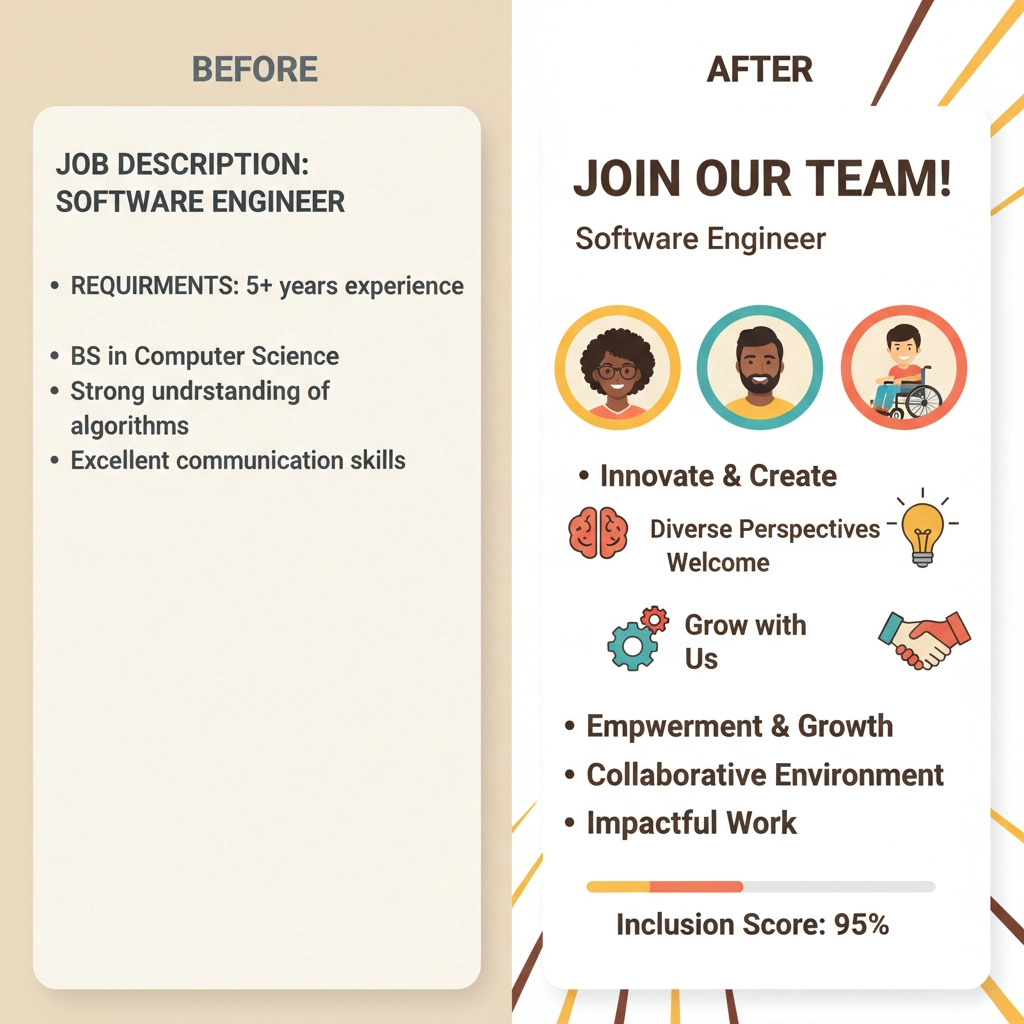
Innovestor worked with inclusion consultants to rewrite their job ads. That's it. Changed some words, removed some barriers, used more inclusive language.
Result? More diverse candidates applied. Better talent pool. Sometimes revolution starts with a comma.
Kaiser Permanente's LinkedIn Strategy
Here's a recruitment hack that costs nothing: Kaiser Permanente recruiters started actively engaging in LinkedIn groups for women, Latinos, and African Americans. They used diversity-focused search tools to find candidates from wider backgrounds.
No expensive programs. No fancy tech. Just going where diverse talent actually hangs out online.
The Survey-Driven Transformation
Otava tried something different. Instead of assuming they knew what inclusion looked like, they asked.
They partnered with consultants to design a comprehensive DEI survey. Measured actual employee experiences. Identified strengths and problems nobody had noticed.
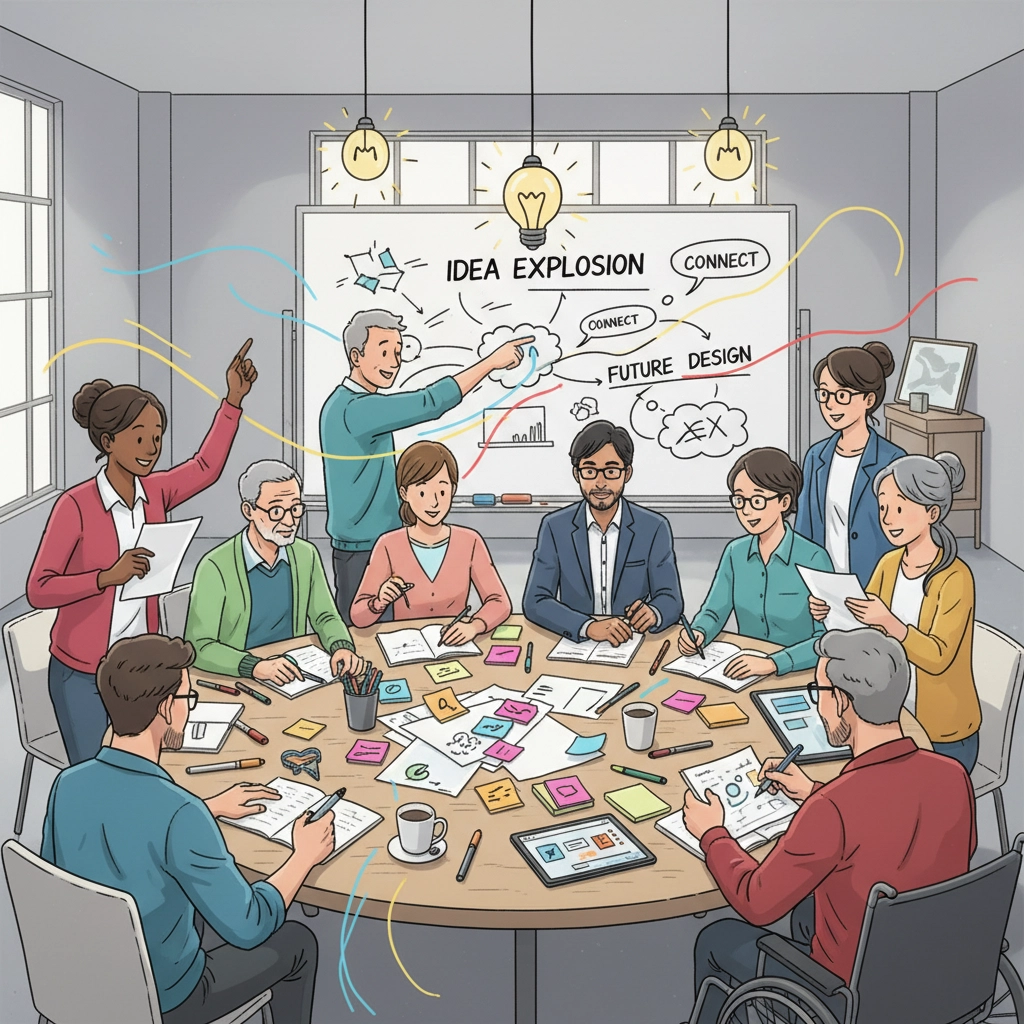
But here's what made it work: the survey sparked conversations. Real ones. Employees formed a DEI working group. Set goals together. Planned concrete next steps.
The survey wasn't the end goal - it was the starting point for authentic change.
Sanoma's Scale Solution
When you're reaching thousands of people across multiple countries, you need a different approach. Sanoma went comprehensive: DEI surveys, trainings, keynotes, and accessible e-learning for everyone.
Not just awareness. Action. Tools that equipped teams to actually contribute to inclusion, not just talk about it.
What Actually Works (The Pattern Recognition)
After studying these case studies, certain patterns jump out. The companies that succeed don't just have good intentions - they have smart strategies.
Leadership that shows up. Not just lip service. Actual behavior and resource allocation that proves commitment.
Structure plus culture. You need both the systems and the vibe. One without the other fails.
Strategic partnerships. Smart companies don't reinvent the wheel. They work with experts who know how to reach underrepresented talent.
Employee-driven momentum. The best programs create space for employees to lead change, not just follow orders.
Measurement and transparency. If you're not tracking results and sharing them, you're probably not getting results.
Tailored solutions. Generic approaches fail. Successful companies identify specific barriers - whether geographic, disability-related, or cultural - and address them directly.

The Creative Industry Opportunity
Here's what's fascinating: creative industries should be leading this charge, but many are still playing catch-up.
Think about it. Creative work benefits directly from different perspectives. Fresh ideas come from fresh viewpoints. Diverse teams create work that resonates with diverse audiences.
Yet many creative agencies still recruit from the same universities, the same networks, the same talent pools their competitors use.
The companies winning at inclusive recruitment aren't just being nice. They're being strategic. They're accessing talent that their competitors ignore. They're creating work that connects with broader audiences. They're building cultures that retain top performers.
Making It Happen
So what can creative agencies and brands actually do?
Start simple. Review your job descriptions with fresh eyes. Are they accidentally excluding people? Use language that welcomes different backgrounds?
Get strategic about where you look for talent. If you're fishing in the same ponds as everyone else, you'll catch the same fish.
Partner with organizations that specialize in diverse talent pipelines. Don't try to build everything from scratch.
Ask your current team what they actually experience. Surveys work, but only if you act on what you learn.
Create structure that supports inclusion. Policies, processes, accountability measures. Good intentions need good systems.
The evidence is clear: diversity and inclusion aren't just ethical imperatives - they're competitive advantages. The companies that figure this out first will have access to talent pools their competitors are still ignoring.
At Catchin' Talent, we've seen firsthand how inclusive recruitment strategies transform creative teams. Our 12-month guarantee and expertise in D&I best practices help agencies build diverse, high-performing teams that drive real business results.
Ready to expand your talent strategy? Let's talk about how inclusive recruitment can give you the edge your competition doesn't even know exists yet.
Comments