
Hybrid Work vs Office-First: Which Wins More Creative Talent in 2025?
- Mostafa Marmousa
- Oct 12, 2025
- 5 min read

The battle for creative talent has never been fiercer, and your work policy might be the deciding factor. As we navigate 2025's competitive creative agency recruitment landscape, one question keeps surfacing: does hybrid flexibility or office-first collaboration win more top-tier creative professionals?
Here's the short answer: hybrid work models are dominating the talent attraction game. But before you rush to implement a fully remote policy, let's dig into what the data actually reveals—and why the smartest agencies are taking a more nuanced approach to this debate.
The Hybrid Work Revolution: Why Creatives Are Choosing Flexibility
The numbers don't lie. A recent Gallup study found that 70% of employees now consider flexible work arrangements a key factor in job selection. For creative professionals—who often work in bursts of inspiration and need deep focus time—this figure jumps even higher.
Marketing recruitment has been particularly transformed by this shift. Agencies that once insisted on 9-to-5 office presence are watching their best candidates walk away to competitors offering hybrid options. Why? Because creative work doesn't operate on traditional schedules.
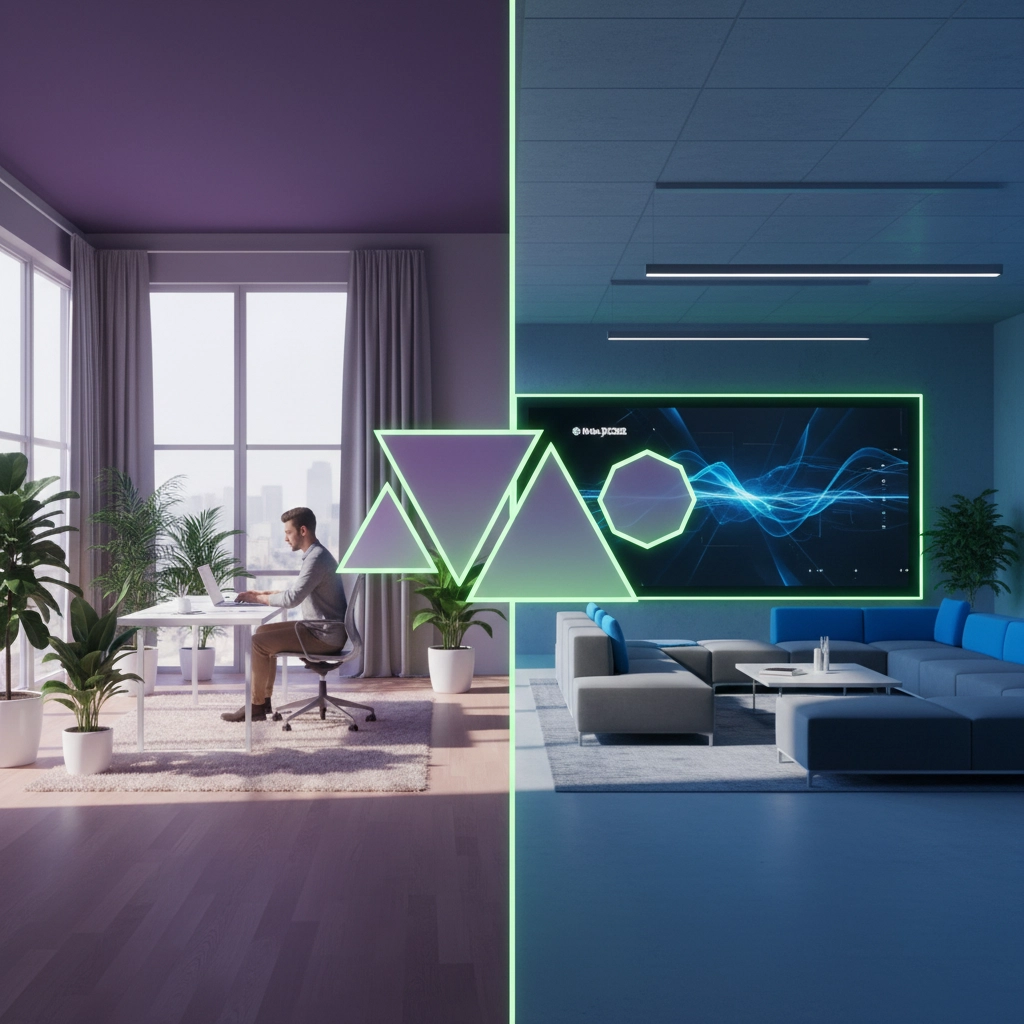
Think about it: your best graphic designer might produce their most innovative work at 11 PM, while your copywriter thrives during early morning quiet hours. Hybrid models respect these natural rhythms, leading to what MIT Sloan Review calls "unprecedented levels of creative output and job satisfaction."
The Productivity Boost Is Real
Remote workers consistently demonstrate up to 47% higher productivity compared to their office-bound counterparts. They spend roughly 10 minutes less per day on unproductive activities and report fewer interruptions during deep work sessions.
For creative jobs requiring sustained concentration—like UX design, content strategy, or campaign development—this productivity gain translates directly into better work quality and faster project turnaround times.
Geographic Talent Pool Expansion
Hybrid policies have revolutionized media agency recruitment by removing geographic barriers. Instead of limiting your search to a 30-mile commuting radius, you can now attract talent from across the UK—or even internationally for fully remote positions.
This expansion is particularly valuable for specialized creative roles where talent concentration varies dramatically by region. Your next breakthrough creative director might be based in Edinburgh, not just within walking distance of your London office.
The Case for Office-First: When Face-to-Face Still Wins
Before we crown hybrid work the undisputed champion, let's examine where office-first approaches maintain genuine advantages—because they do exist, especially in certain creative contexts.
Spontaneous Creativity and Collaboration
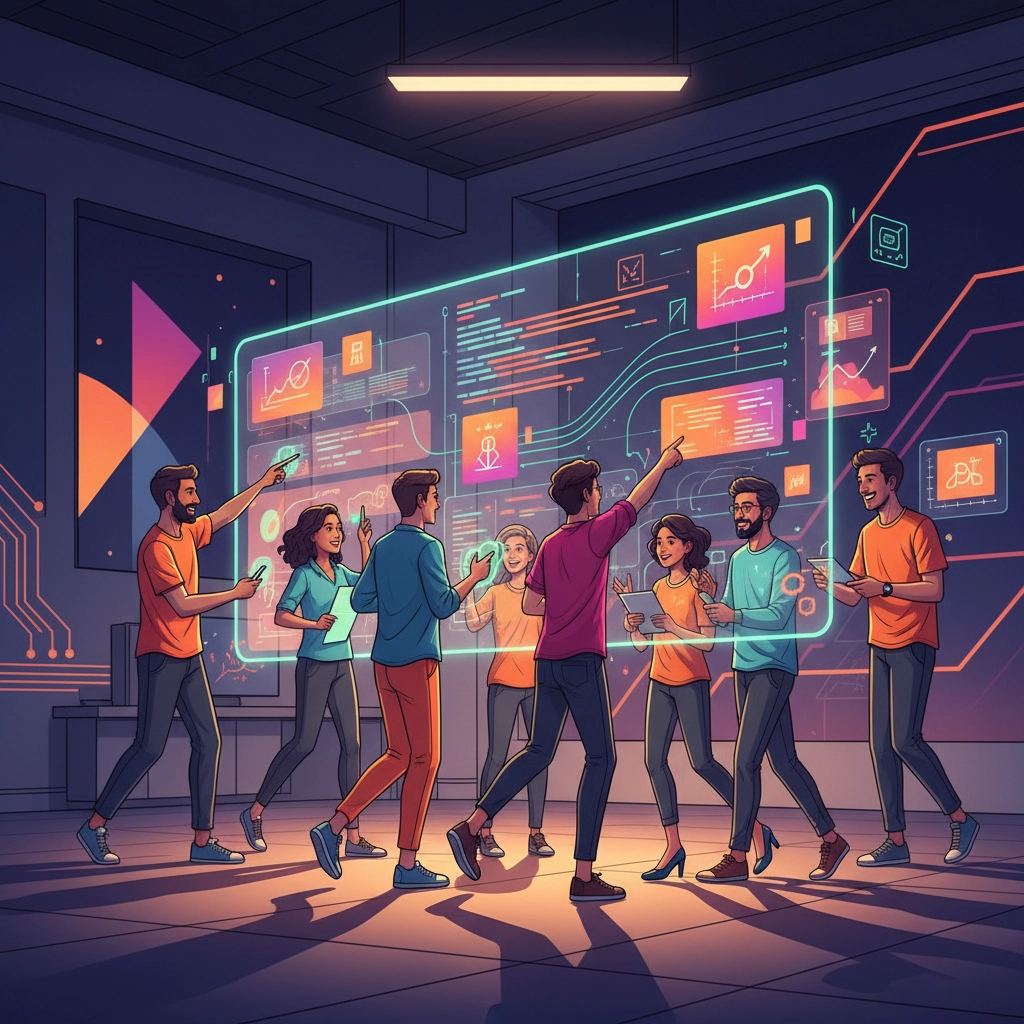
Recent research published in Nature reveals that virtual communication can curb creativity during ideation sessions compared to face-to-face collaboration. The study attributes this to narrower attentional focus on screens versus the broader awareness possible in shared physical spaces.
Translation? Those lightning-strike creative moments often happen during impromptu hallway conversations or whiteboard sessions that are difficult to replicate virtually.
Mentorship and Skill Development
Office environments naturally facilitate what we call "creative apprenticeship"—the process of learning through observation and informal coaching. Junior creatives benefit enormously from witnessing how senior team members critique work, navigate client relationships, or approach complex creative challenges.
This tacit knowledge transfer happens organically in office settings but requires deliberate planning in hybrid environments. For agencies heavily focused on developing emerging talent, the office-first model provides structural advantages.
Team Cohesion and Culture Building
Company culture isn't just about ping pong tables and free coffee. It's about shared experiences, informal problem-solving, and the collective energy that drives creative excellence. Some agencies find this easier to cultivate when teams work together physically.
What the Data Really Shows: A More Complex Picture
Current workplace statistics reveal that 55% of organizations now use hybrid models, while only 10% remain fully in-office. This dramatic shift suggests the market has largely decided, but successful implementation varies significantly.
The most interesting finding? Organizations offering flexible work arrangements are actively attracting talent away from companies with rigid return-to-office mandates. As one industry analyst noted: "Flexibility has become a competitive weapon in talent acquisition, not just a nice-to-have perk."
Industry-Specific Considerations for Creative Roles
Different creative disciplines respond differently to work arrangements:
Digital Marketing & Content Creation: Thrives in hybrid environments due to high individual contributor work and digital collaboration tools.
Event Agency Work: Often requires more in-person coordination due to vendor relationships, site visits, and hands-on event management.
Advertising Creative Teams: Benefits from hybrid models that combine collaborative ideation days with focused execution time.
Design Studios: Depends heavily on whether work involves physical prototyping or purely digital creation.

Practical Implementation: Getting Hybrid Right
If you're convinced that hybrid is the way forward for your creative agency recruitment strategy, implementation matters more than policy. Here's how top-performing agencies are making it work:
Structured Collaboration Days
Rather than arbitrary "Tuesdays and Thursdays," successful agencies designate specific days for collaborative work, client meetings, and team-building activities. This ensures everyone knows when to be present for high-value in-person interactions.
Technology Investment
Hybrid success requires proper digital infrastructure. This means quality video conferencing setups, collaborative design software, and project management tools that work seamlessly across locations.
Clear Communication Protocols
Establish guidelines for when to use email versus Slack versus video calls versus in-person meetings. This prevents communication chaos and ensures important creative discussions happen through appropriate channels.
Regular Check-ins and Adjustments
What works in January might not work in June. The best agencies regularly survey their teams and adjust hybrid policies based on project needs, team feedback, and business outcomes.
The Winning Strategy: Purposeful Flexibility
Here's what our experience in marketing recruitment has taught us: the most successful agencies don't choose between hybrid and office-first—they choose purposeful flexibility.
This means offering hybrid as the default while creating compelling reasons for teams to come together in person. Companies like Adobe and Airbnb exemplify this approach, providing flexibility while scheduling intentional collaboration sessions for maximum creative impact.
The result? These organizations consistently attract top creative talent while maintaining the collaborative spark that drives innovative work.
Looking Forward: Talent Expectations in 2025
Creative professionals entering the job market in 2025 have fundamentally different expectations than previous generations. They've experienced the productivity benefits of focused remote work and won't easily accept roles that don't offer some degree of flexibility.
Smart agencies are adapting their media agency recruitment strategies accordingly, leading job descriptions with flexible work options and using hybrid policies as key differentiators in competitive talent markets.

Making Your Decision: A Framework for Success
When evaluating work policies for your creative team, consider these factors:
Choose hybrid when:
Your creative work involves substantial individual contributor time
You're recruiting across competitive markets where flexibility is expected
Cost efficiency and geographic talent access matter to your growth plans
You can implement structured collaboration to maintain team cohesion
Lean toward office-first when:
Your creative output depends heavily on spontaneous, high-frequency collaboration
You're building an early-career team requiring intensive mentorship
Your work involves specialized equipment or physical prototyping
Company culture and informal knowledge transfer are critical competitive advantages
The bottom line? Hybrid work models are winning the talent attraction battle in 2025, but success depends on thoughtful implementation rather than simply declaring "work from anywhere."
Ready to revolutionize your creative team's work arrangement? Whether you're a hiring manager looking to attract top creative talent or a creative professional seeking your next opportunity, Catchin' Talent specializes in matching the right people with the right flexible work environments.
Contact us today to discover how we can help you navigate the evolving landscape of creative recruitment, or browse our latest creative jobs to find your perfect hybrid role.
Comments