
Innovative Recruitment Campaigns: From Gamification to Immersive Experiences

Remember when recruitment meant posting a job ad and waiting for CVs to roll in? Those days are dead.
Today's creative agencies are competing for talent like never before, and the old ways just don't cut it anymore. The best candidates have options. Lots of them. Which means if your recruitment process feels like filling out tax forms, you've already lost them to someone who made it fun.
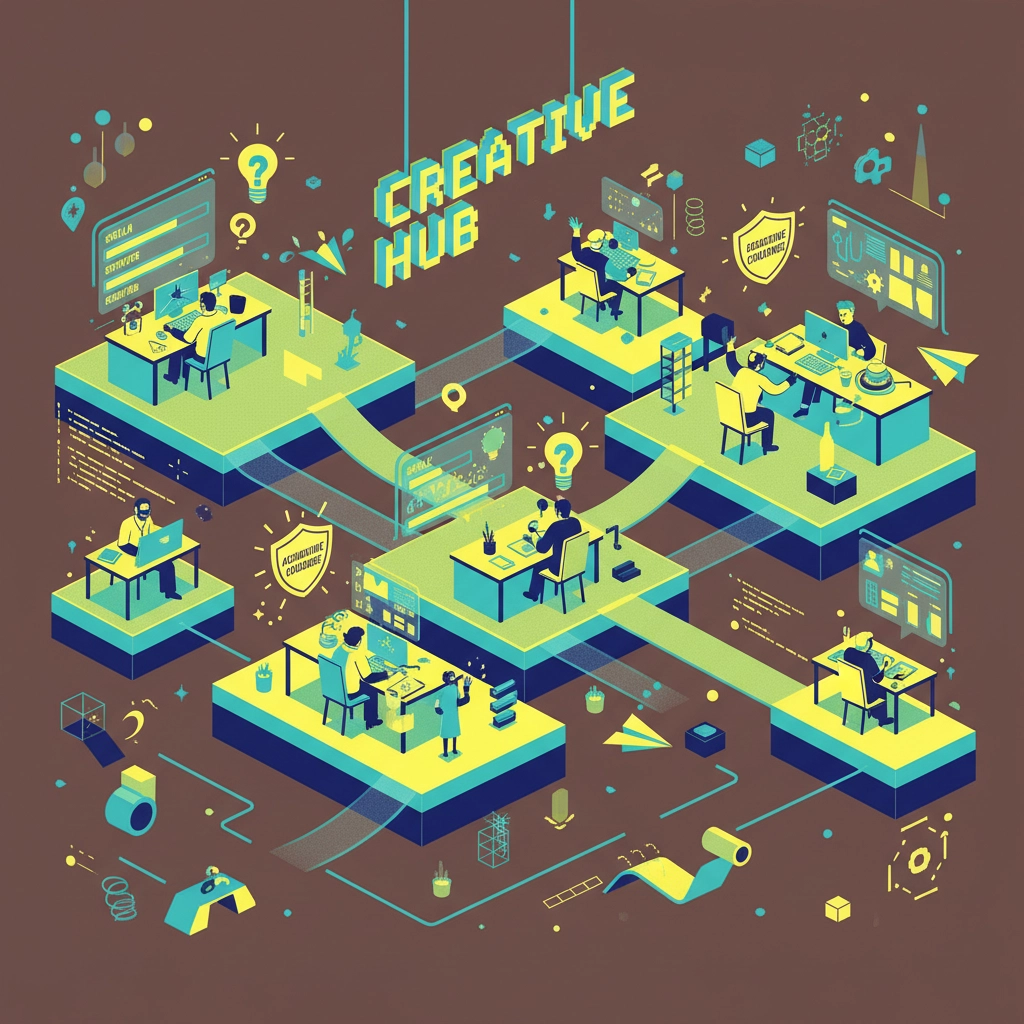
The game has changed completely. Smart agencies are turning recruitment into an experience: one that candidates actually want to be part of. We're talking gamification, immersive simulations, and campaigns so creative they'd win awards if they weren't busy winning talent.
What Actually Is Gamification in Recruitment?
Forget boring application forms. Gamification takes the addictive elements from games: points, challenges, leaderboards, achievements: and weaves them into your hiring process. It's not about making everything a literal game (though sometimes that works too). It's about making the journey engaging enough that top talent sticks around to see what happens next.
Think about it. When did you last play a mobile game for "just five minutes" and look up to find an hour had passed? That's the psychology we're tapping into. The difference? Instead of matching candy, candidates are matching skills to challenges, solving real problems, and getting a genuine taste of what working with your agency actually feels like.
Research backs this up hard. TalentLMS found that 89% of employees feel more productive when gamification enters the picture, and 88% report higher engagement levels. But here's what really matters for agencies: gamified recruitment reduces time-to-hire, improves candidate experience dramatically, and screens for specific skills: all while removing unconscious bias from initial evaluations.

Real Campaigns That Actually Worked
Let's talk specifics. Marriott International didn't just talk about innovation: they built it. Their "My Marriott Hotel" game let candidates run a virtual hotel, dealing with real scenarios like inventory management, staff training, and customer complaints. Sounds nerdy? Maybe. But it worked brilliantly.
Within one year, over 125,000 people registered to play. That's not just a candidate pool; that's a talent ocean. And these weren't random job seekers: they were people genuinely excited about hospitality who'd already proven they could handle the pressure.
But Marriott's approach shows something crucial: the best gamified recruitment doesn't feel like recruitment at all. It feels like you're discovering whether this industry, this role, this company is actually for you. Both sides win.
Then there's Kruidvat's genius move. Facing declining applications from Gen Z (who made up 75% of their workforce), they launched "Apply with Your Bestie." Instead of making recruitment a solo, stressful experience, they turned it into something social. Something fun. Something that actually reflected how Gen Z operates in the real world.
The campaign won the 2025 Rally Award for Best Recruitment Marketing Campaign, but more importantly, it solved their talent problem by understanding their audience at a fundamental level.
Beyond Games: Creative Campaigns That Break Rules
Not every innovative campaign needs points and badges. Sometimes the most powerful approach is pure creative audacity.
Ogilvy & Mather asked candidates to sell a brick. Through YouTube videos. The winner got a paid fellowship and the chance to pitch at Cannes Lions. Ridiculous? Absolutely. Effective? Completely.
This campaign tested creativity, sales ability, video production skills, and sheer determination all at once. Plus, it generated massive brand exposure while attracting exactly the kind of creative, ambitious young talent agencies actually want.
The British Army took a completely different route with their diversity-focused campaign. Instead of traditional military imagery, they used inclusive messaging and dynamic visuals that spoke to belonging and community. Result? Over 4,000 applications in the first month, with 2,700 arriving in just the first five days.
How Technology Makes Magic Possible
Here's where things get really interesting. AI isn't just changing how we work; it's revolutionizing how we recruit.
Smart agencies are using AI-powered tools to analyze not just resumes, but social media activity, portfolio patterns, even communication styles. These systems can identify candidates who'll thrive in creative environments before traditional screening would even spot them.
But the real magic happens with personalization. Instead of generic job descriptions that could apply to anyone, AI can craft personalized employer value propositions based on individual candidate profiles, career trajectories, and personal values. It's like having a conversation with each candidate before you've even met them.
Virtual reality is pushing boundaries even further. Some forward-thinking agencies are creating VR experiences where candidates can literally step inside their studio, meet the team, and work on actual projects: all from their living room.
Why Creative Agencies Need This Most
Here's something we've learned working exclusively with creative and marketing agencies: traditional recruitment methods are particularly bad at finding creative talent.
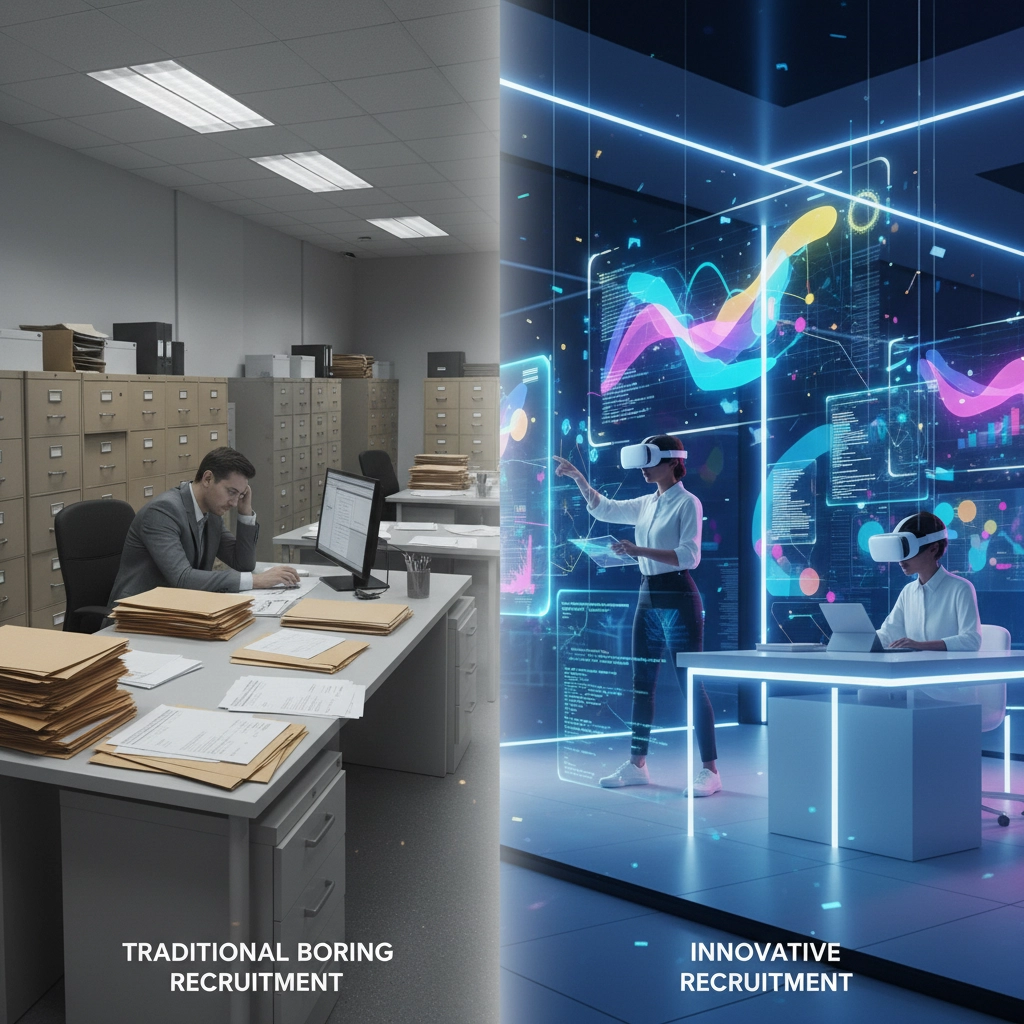
Standard interviews don't reveal creativity. CVs don't show cultural fit. References don't predict innovation. But ask a designer to solve a real branding challenge, or get a strategist to pitch a campaign concept, or watch how someone navigates a complex, gamified scenario? Now you're seeing what they can actually do.
Creative talent thinks differently. They value authenticity, innovation, and companies that "get it." If your recruitment process feels corporate and sterile, you're signaling that your agency probably is too.
That's exactly why we built our approach around understanding creative minds. Our 12-month guarantee isn't just about confidence in our process: it's about knowing that creative professionals need time to show their real potential, and agencies need support to make the right long-term matches.
Getting Started: Practical Steps
Ready to revolutionize your recruitment? Start simple.
Begin with micro-gamification. Add progress bars to your application process. Create skill-based challenges relevant to actual work. Build in achievement moments that make candidates feel accomplished rather than interrogated.
Think social first. Gen Z candidates especially respond to recruitment that feels social and authentic. Employee takeovers, day-in-the-life content, behind-the-scenes glimpses of real projects: these work because they're real.
Use your creative skills. You're a creative agency. Your recruitment should reflect that creativity. If your job posts read like legal documents, you're missing the biggest opportunity to showcase what makes your agency special.
Leverage technology strategically. You don't need to build the next Marriott Hotel game. But you can use AI tools for better candidate matching, create simple interactive assessments, or design virtual portfolio reviews that feel engaging rather than clinical.
The Real Competitive Advantage
Innovation in recruitment isn't just about finding better candidates faster (though it does that). It's about positioning your agency as forward-thinking, creative, and genuinely different from everyone else competing for the same talent.
When candidates experience genuinely innovative recruitment, they remember it. They talk about it. They want to work for companies that think this creatively about every aspect of their business.
The agencies winning top talent right now aren't necessarily the biggest or the ones with the flashiest offices. They're the ones that understand recruitment is marketing, experience design, and brand building all rolled into one.
Your recruitment process is often the first real interaction talented people have with your agency. Make it count.
Ready to transform how you attract creative talent? Let's talk about building recruitment campaigns that actually work for your agency's unique needs and creative culture.
Comments