
Red Flags When Hiring Designers
- Mostafa Marmousa
- Nov 9, 2025
- 6 min read

title: "Red Flags When Hiring Designers | Catchin Talent" description: "How to spot red flags when hiring designers for agencies and brands. Portfolio, process, and culture fit tips." keywords: - design recruitment agency - graphic design recruitment - creative director recruitment - art director positions - creative staffing solutions
Hiring a designer shouldn't feel like playing Russian roulette with your brand. Yet here we are, watching agencies across London make the same costly mistakes, over and over again.
You know the drill. The brief's perfect, the budget's sorted, the deadline's realistic. Then three months later, you're staring at work that looks like it was cobbled together during a lunch break, wondering where it all went wrong.
The thing is, most red flags wave frantically right in front of us during the hiring process. We just choose to ignore them. Maybe the portfolio looked decent enough. Perhaps they said all the right things in the interview. But deep down, something felt... off.
Trust that instinct. It's usually right.
The Communication Catastrophe
Let's start with the obvious one that somehow catches everyone off guard: communication disasters.
If a designer takes a week to respond to your initial inquiry, what makes you think they'll hit your project deadlines? This isn't about expecting instant replies, we all have lives. But when someone consistently takes ages to get back to you, or gives you those frustratingly vague responses that say nothing while using lots of words, you're looking at trouble.
Here's what proper communication looks like: they ask questions about your brief. Good ones. They want to understand your audience, your goals, your constraints. They explain their process clearly, set realistic expectations, and keep you updated without you having to chase them down.

Bad communication isn't just annoying, it's expensive. Projects drag on. Revisions multiply. Your launch date becomes a distant dream. And somehow, it's always your fault for not being "clear enough" with the brief.
The worst part? Poor communicators often mask their confusion with designer jargon. If they can't explain their ideas in plain English, there's a good chance they don't actually understand them either.
Portfolio Problems That Scream "Run Away"
Your designer's portfolio is like their greatest hits album. If this is their best work, imagine what didn't make the cut.
Missing relevant work is the big one here. You're hiring for a retail brand, but their portfolio is packed with abstract art and personal projects? That might work if they can articulate how their skills transfer, but often they can't. They'll assure you they can "totally do retail" while showing you experimental typography that would make your customers' eyes water.
Look closer at the technical execution too. Cluttered layouts, random font combinations, amateur photo editing, dodgy margins, these aren't style choices, they're skill gaps. And if they can't spot these problems in their own work, they definitely won't catch them in yours.
Then there's the stolen work situation. It happens more than you'd think. Always ask designers to walk you through their process for specific pieces. The ones who actually did the work will light up, eager to share their problem-solving journey. The ones who didn't will get vague quickly.
The Professionalism Pretenders
Here's something that might surprise you: designers who won't ask for money upfront. Sounds great for your cash flow, right? Wrong.
Experienced designers know their worth and protect it. They've been burned by clients who disappear when the first invoice arrives. If someone's willing to start work without any payment commitment, they're either desperate or inexperienced. Neither bodes well for your project.

Watch out for the show-off specialists too. These are the designers who spend the entire interview telling you how brilliant they are, name-dropping famous brands they've "worked with" (usually meaning they once did a tiny project for a tiny part of that company), and generally making everything about them rather than your needs.
Real professionals focus on your problems, not their ego.
Interview Red Flags That Should End Things Immediately
The interview is where personalities reveal themselves. And some personalities you definitely don't want on your project.
Can't critique their own work? Major problem. Good designers are their harshest critics. They should be able to tell you what they'd do differently, what didn't work as planned, what they learned. If everything they've ever created is apparently perfect, they're either lying or delusional.
Another biggie: they can't explain their design decisions. "I just thought it looked cool" isn't good enough when you're spending real money. Every choice should have reasoning behind it, even if that reasoning is intuitive rather than analytical.

Then there's the one-trick ponies. They've found one style that works and they'll force it onto every brief, whether it fits or not. Your corporate law firm will get the same treatment as that trendy startup down the road. This isn't creativity, it's laziness.
Pay attention to how they talk about previous clients too. If they throw their last employer under the bus, guess who's getting the same treatment when your project goes sideways?
Technical Blind Spots You Can't Ignore
Design isn't just about making things pretty. There's proper technical stuff that needs handling, and some designers just don't get it.
Typography disasters are everywhere. Using seventeen different fonts in one design. Unreadable letter spacing. Text that looks like it's having an identity crisis. If their portfolio looks like a ransom note, your brand will too.
Colour chaos is another giveaway. Random colour choices with no logical system. Accessibility nightmares that exclude huge chunks of your audience. Brand colours that clash with everything they've ever created.
Don't overlook basic software skills either. If they're still using outdated programs or can't work with your preferred formats, you're signing up for compatibility headaches.
The Process Problem Children
Great designers have systems. They know how projects flow, where problems typically emerge, how to keep things on track. Bad designers make it up as they go along.
No clear process usually means no clear timeline, no clear deliverables, no clear anything. You'll get updates when you get them. Revisions will happen when they happen. Your launch date becomes a rough suggestion rather than a firm commitment.
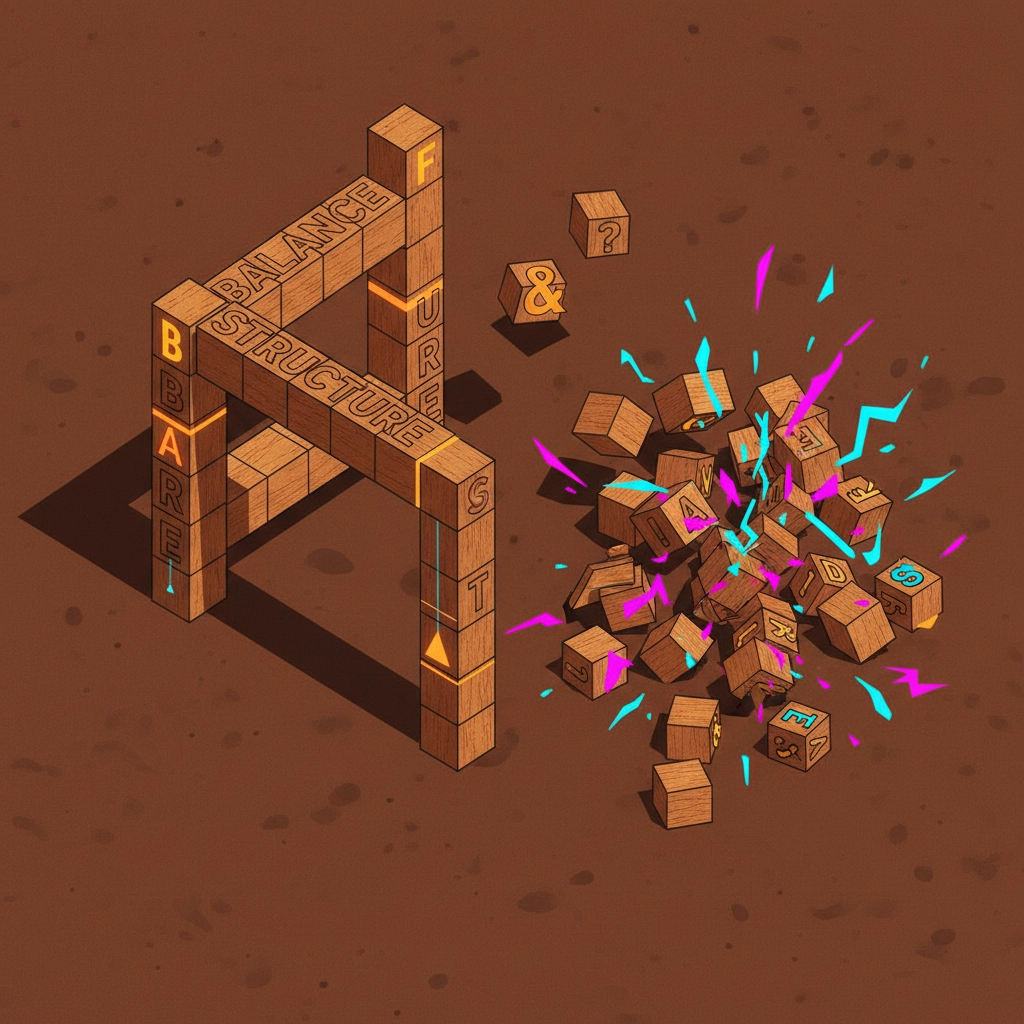
The flip side isn't much better: rigid process robots who can't adapt when circumstances change. Your budget gets cut? Too bad, they're sticking to the original plan. Your target audience shifts? Doesn't matter, they've already decided what you need.
Look for the middle ground, structured but flexible, professional but adaptable.
What Success Actually Looks Like
After all these warnings, what should you actually look for?
Curiosity tops the list. The best designers ask uncomfortable questions, push back on assumptions, challenge your brief in constructive ways. They want to understand not just what you want, but why you want it.
Problem-solving focus comes next. They should see your project as a puzzle to solve, not a canvas to decorate. Their excitement should come from cracking your specific challenges, not just creating something that looks nice.
Clear communication isn't negotiable. They explain complex ideas simply, keep you informed without overwhelming you, and tell you when things aren't working rather than pretending everything's fine.

Realistic timelines separate the professionals from the dreamers. If their timeline seems too good to be true, it probably is. But if they're completely honest about how long things actually take: including revisions, approvals, and those inevitable "quick changes": you've found someone who knows the business.
Your Next Steps
The design talent market in London is packed with genuine expertise. But it's also full of people who look the part without having the skills to back it up.
Take the time to spot these red flags early. Ask the tough questions. Trust your instincts when something feels wrong. A few extra days in the hiring process can save you months of project headaches.
Remember: good designers want to be thoroughly vetted. They know their reputation depends on delivering results, and they'd rather work with clients who understand quality than those who just want the cheapest option.
Ready to find designers who actually deliver? At Catchin' Talent, we've already done the vetting for you. Our creative professionals have been thoroughly assessed, not just on their portfolios, but on their communication skills, professionalism, and ability to meet real-world deadlines. Get in touch with our team and skip the red flags entirely.
Comments