
Why Neurodiverse Talent Elevates Creative Teams

Here's something most creative agencies get wrong. They're hunting for that perfect cultural fit, that seamless team player who slots right into their existing dynamic. But what if I told you that the person who doesn't quite fit the mold might be exactly what your team needs?
Neurodiverse talent isn't just changing the game in creative industries: it's rewriting the rules entirely. And frankly, it's about time.
The Creative Brain Works Differently (And That's Brilliant)
When we talk about neurodiversity, we're looking at minds that process information in wonderfully unconventional ways. Think ADHD, autism, dyslexia, and other neurological differences that create unique cognitive fingerprints.
These aren't limitations. They're superpowers dressed up as challenges.
Take pattern recognition, for instance. Many neurodiverse individuals can spot trends and anomalies that others miss completely. While your neurotypical designer might follow established design principles, a neurodiverse team member could identify an unexpected visual connection that sparks a breakthrough campaign idea.
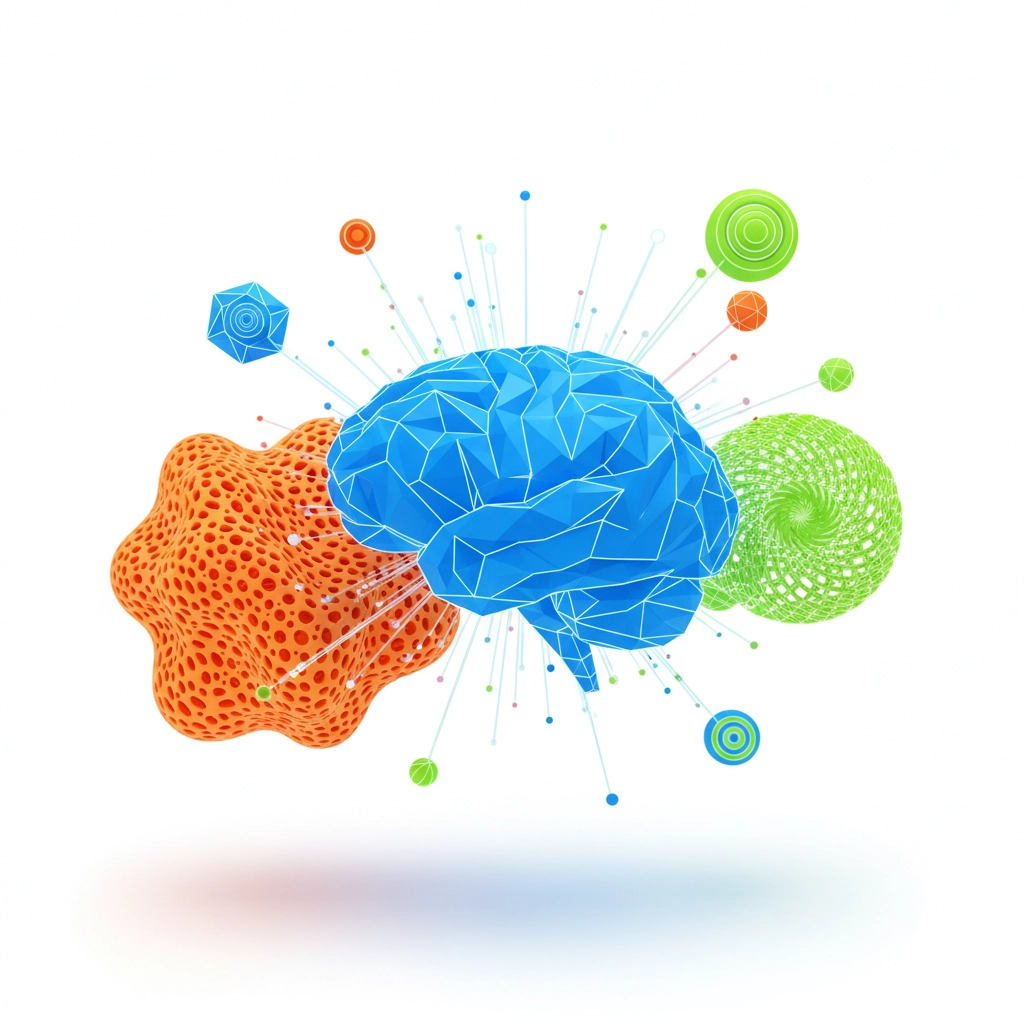
The numbers back this up too. Research shows that cognitively diverse teams solve problems up to three times faster than homogenous groups. That's not a marginal improvement: that's the difference between beating your competition and watching them sprint ahead.
Breaking the Groupthink Trap
You know that moment in brainstorming sessions when everyone's nodding along, building on similar ideas, and you end up with five variations of the same concept? That's groupthink in action, and it's creativity's worst enemy.
Neurodiverse team members are natural disruptors of this dangerous consensus. They're more likely to voice the uncomfortable truths, challenge assumptions, and introduce perspectives that make everyone else think "wait, I never considered that."
This isn't about being difficult for the sake of it. It's about cognitive courage: the willingness to speak up when your brain sees something different, even if it doesn't immediately make sense to others.
The ADHD Advantage in Creative Work
Let's talk specifically about ADHD for a moment. The same traits that make traditional workplaces challenging: hyperfocus, rapid idea generation, unconventional thinking patterns: become incredible assets in creative environments.
ADHD minds excel at divergent thinking and conceptual expansion. While neurotypical thinkers might follow logical progressions from A to B to C, ADHD brains make those brilliant leaps from A to Q that result in breakthrough ideas.
The key is creating environments where these cognitive styles can flourish rather than fighting against them.
Problem-Solving That Actually Solves Problems
Here's where things get really interesting. Neurodiverse individuals often approach problems from completely unexpected angles. Instead of optimizing existing systems, they might suggest throwing out the entire approach and starting fresh.
This isn't just theoretical: it's happening in agencies right now. EY had a neurodivergent employee develop an algorithm that saved millions by streamlining a process everyone else was trying to incrementally improve. The solution came from thinking about the problem in a fundamentally different way.

In creative agencies, this translates to campaigns that don't just stand out: they redefine categories. When everyone else is zigging, neurodiverse talent helps you zag in directions you never knew existed.
Building Teams That Actually Work Together
Contrary to outdated stereotypes, neurodiverse teams often demonstrate better communication and collaboration than homogenous ones. Here's why: when you acknowledge and embrace different thinking styles, everyone becomes more conscious of how they communicate.
The result? Teams that are more intentional about sharing ideas, more patient with different processing speeds, and more appreciative of varied contributions. It's like upgrading your team's emotional intelligence across the board.
The Resilience Factor
Working in a world not designed for your brain builds incredible resilience. Neurodiverse individuals often develop exceptional adaptability because they've had to navigate constant adjustments throughout their lives.
In the creative world: where pivots are constant, feedback can be brutal, and deadlines shift like sand: this resilience becomes invaluable. When your campaign gets rejected at the last minute, who do you want on your team? Someone who crumbles under pressure or someone who's learned to bounce back from setbacks?
Getting Recruitment Right
This is where most agencies stumble. Traditional creative recruitment processes often screen out neurodiverse talent unintentionally. Standard interviews, rigid timelines, and conventional portfolio presentations can mask incredible creative abilities.
Smart agencies are rethinking their approach. They're offering alternative ways to demonstrate skills, focusing on work quality over presentation style, and recognizing that the best creative minds don't always come in standard packages.
At Catchin' Talent, we've developed expertise in assessing cultural fit and portfolio quality specifically for neurodiverse creative roles. We understand that a brilliant designer might struggle with traditional interviews but excel when given space to walk through their creative process.
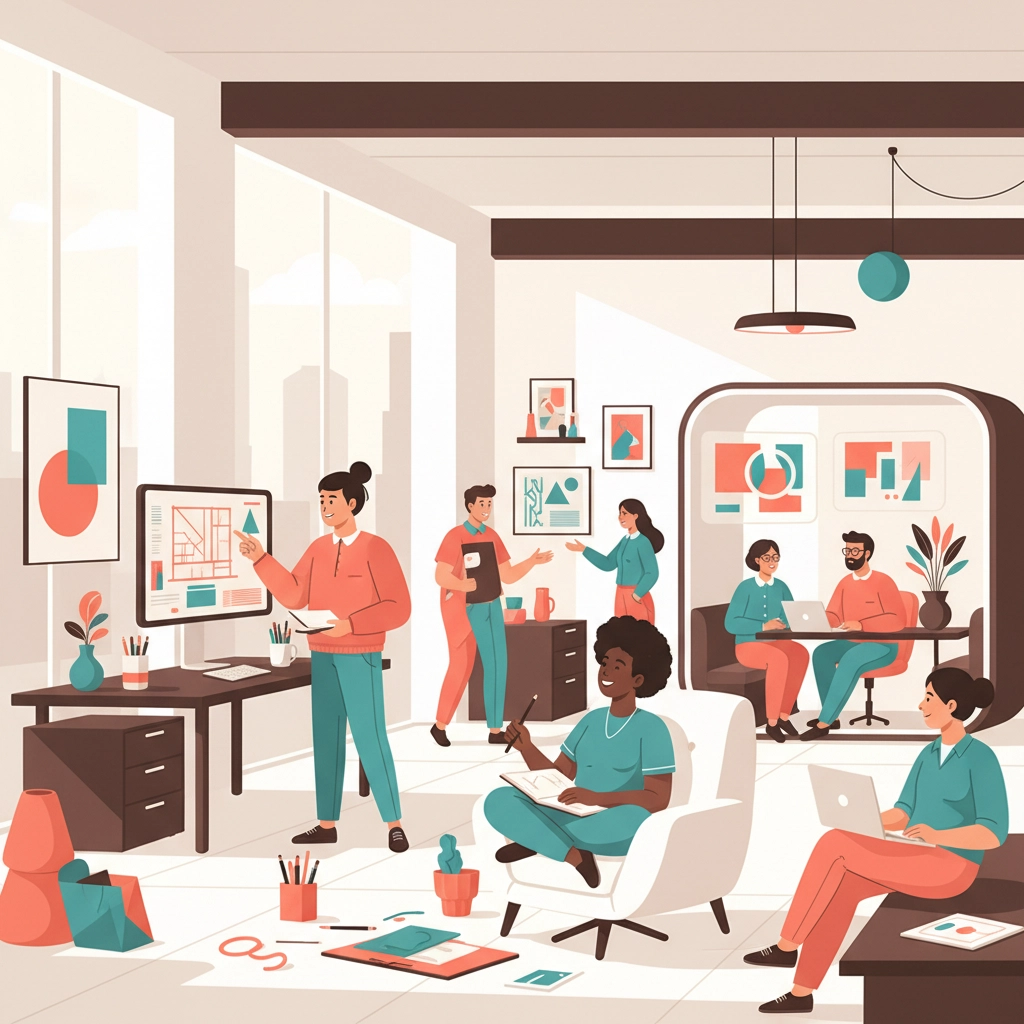
The key is looking beyond surface-level interactions to identify genuine creative potential and cultural alignment.
Making It Work in Practice
Creating neurodiverse-friendly environments isn't about lowering standards: it's about removing arbitrary barriers that prevent talented people from doing their best work.
Simple adjustments can make enormous differences. Flexible work arrangements, clear communication preferences, varied meeting formats, and sensory considerations all help neurodiverse talent thrive.
Some agencies are experimenting with "quiet hours" for deep work, visual project management systems, and alternative feedback methods. These changes don't just help neurodiverse employees: they often improve productivity and satisfaction across entire teams.
The Creative Industries Are Already Leading
Nearly 48% of creative industry workers are neurodivergent, yet many organizations still struggle to authentically support and leverage these unique abilities. The agencies that figure this out first gain a significant competitive advantage.
We're not talking about charity hires or diversity checkboxes. This is about recognizing that the creative challenges of 2025 require minds that can think beyond conventional boundaries.
Moving Forward with Purpose
The conversation around neurodiversity in creative teams isn't just about inclusion: though that matters enormously. It's about building teams capable of producing work that genuinely breaks through in an overcrowded market.
When you're competing for attention in a world saturated with content, you need ideas that can't be generated by following the same playbook everyone else is using.
The agencies that embrace neurodiverse talent aren't just doing the right thing ethically: they're positioning themselves for creative success that their competitors can't replicate.
Ready to explore how neurodiverse talent could elevate your creative team? Get in touch with our team at Catchin' Talent. We specialise in connecting creative agencies with exceptional talent: including the brilliant minds that might not fit traditional molds but could be exactly what your next breakthrough campaign needs.
Because sometimes, the best fit is someone who doesn't fit at all.
Comments