
Why Your Interview Process Is Pushing Away the People You Want
- Mostafa Marmousa
- Oct 22, 2025
- 5 min read

Your interview process is basically a reverse sales pitch. And you're losing.
While you're busy grilling candidates about their Adobe Creative Suite skills and whether they can handle "fast-paced environments" (translation: chaos), they're silently judging everything from your wobbly conference room chair to the way you keep glancing at your phone. Spoiler alert: 72% of them are sharing those judgments online or with their networks afterward.
Here's the thing that'll make your stomach drop, 45% of talented people reject job offers after negative interview experiences. Not because of salary. Not because of benefits. Because of how you made them feel during what was supposed to be a professional courtship.
Creative agencies are particularly guilty of this. We're so focused on finding the "perfect cultural fit" and testing every possible scenario that we forget we're also being tested.
The Speed Trap (Or Lack Thereof)
Picture this: You've just met an incredible senior designer. Their portfolio made your creative director actually gasp out loud. They're available, interested, and exactly what your team needs for that massive campaign launching next month.
So naturally, you take three weeks to get back to them.

Top creative talent stays on the market for about 10 days. Ten. Your "thorough process" just got thorough-ly outplayed by the boutique agency down the street who made an offer within 48 hours.
Sarah, a freelance event producer we placed last month, told us about an agency that took six weeks to schedule a second interview. "By then, I'd already started at another place and completely forgotten I'd even applied there," she laughed. "They called asking if I was still interested. Still interested? I couldn't even remember what the role was."
The worst part? Slow responses aren't interpreted as "careful consideration." They're seen as disorganization, low priority, or, worst of all, lack of genuine interest.
The Chaos Show
Nothing broadcasts "dysfunctional workplace" quite like a train-wreck interview. Yet creative agencies seem particularly gifted at this special kind of performance art.
Real scenarios we've witnessed:
The meeting room that wasn't actually booked, leading to a musical chairs situation through three different spaces
The interviewer who clearly hadn't read the candidate's portfolio until that exact moment ("Oh, you do packaging design too?")
The "quick 30-minute chat" that turned into a 90-minute marathon with no breaks
The interview panel where each person asked completely different questions, creating a confusing mishmash of expectations
Here's what candidates are thinking during these disasters: If they can't organize a simple interview, how chaotic is this place on deadline?
The Repetition Marathon
You love a candidate. Great! So you parade them around like a show pony, having them repeat their entire professional story to your boss, then your colleague, then the random creative director who happened to walk by.
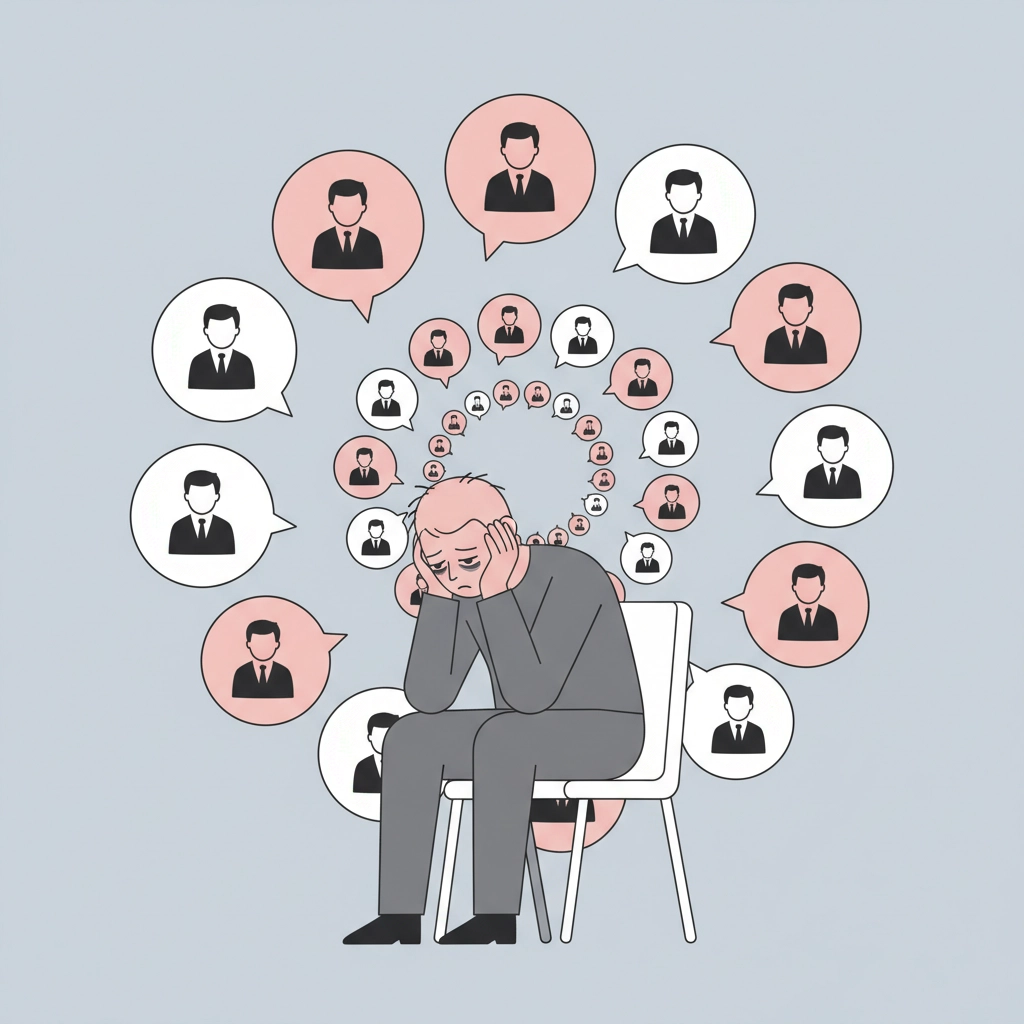
By the fourth telling, their enthusiasm has visibly deflated. Their answers sound rehearsed. They're mentally checking out because you've turned their compelling career narrative into a boring broken record.
Mark, a project manager we worked with, described an agency interview where he told his background story seven separate times in one day. "I started abbreviating by the end. When the CEO asked about my previous role, I just said 'Event management, three years, loved it, next question.' I was done."
This approach doesn't show thoroughness: it shows poor coordination and wastes everyone's mental energy on repetition rather than meaningful conversation.
The Information Black Hole
You're maintaining poker face throughout the interview. Zero indication of whether they're nailing it or bombing spectacularly. Meanwhile, they're putting everything on the line, and walking out feeling completely confused about their performance.
Candidates describe this as "interviewing into a void." They can't gauge whether their examples resonated, if their questions were smart, or if they completely misunderstood what you're looking for.
Even worse: when you can't clearly articulate what the role actually involves. We've seen creative directors who couldn't explain whether they needed someone for digital campaigns, print work, or both. Account managers interviewing for roles where the scope seemed to change every five minutes.
Tom, a graphic designer, once told us: "They kept saying they needed someone 'flexible' and 'adaptable.' After an hour, I still had no idea what I'd actually be designing. Flexibility is great, but I need to know if I'm making wedding invitations or beer ads."
The Time Disrespect Disaster
Your candidate probably snuck away from their current job for this interview. They crafted careful excuses, juggled schedules, maybe even used precious vacation time.
Then you run 45 minutes over schedule.
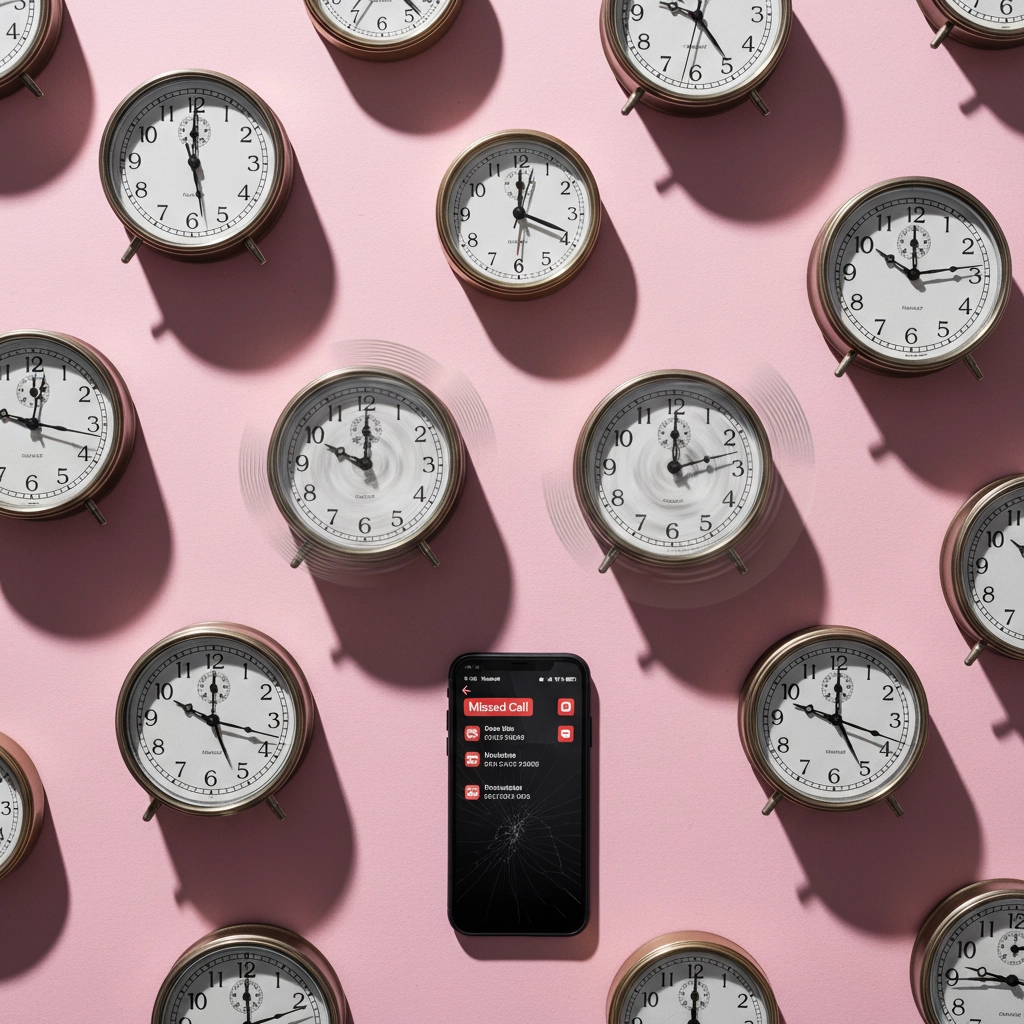
They're trapped. Leave and risk offending you, or stay and potentially face consequences at their current job. This single action communicates volumes about how you'll treat their time as an employee.
Lisa, an account manager we placed, described an interview that was supposed to end at 3 PM: "By 4:15, I was texting my current boss increasingly desperate excuses about a 'doctor's appointment that was running late.' I was mortified. And honestly? It made me question whether this agency respected work-life balance at all."
The Compound Effect
Here's where it gets really expensive for your agency. These problems don't exist in isolation: they multiply and amplify each other.
A negative interview experience doesn't just lose you one candidate. It damages your employer brand. That designer you kept waiting? She's telling her network. That event producer who got confused mixed messages? He's sharing that experience on industry forums.
When 78% of candidates view the interview experience as a direct indicator of how a company treats its employees, a bad process essentially guarantees they'll decline your offer even if you make one.
This shrinks your talent pool, increases your time-to-hire, inflates your cost-per-hire, and ultimately leads to settling for candidates who aren't your first choice. Which leads to decreased team morale, performance issues, and higher turnover.
It's a expensive downward spiral that starts with something as simple as being late to an interview.
The Fix: Making Your Process Actually Work
Ready for the good news? Most of these problems are completely fixable with some planning and basic respect for people's time.
Speed up your response times. Set internal deadlines for getting back to candidates. If you can't make a decision quickly, communicate that timeline clearly. "We'll have feedback by Friday" beats radio silence every time.
Standardize your process. Create a consistent interview framework. Brief all interviewers beforehand. Have a clear agenda. Book appropriate spaces in advance. Basic professionalism goes surprisingly far.
Coordinate your team interviews. If multiple people need to meet a candidate, create a structured schedule with different focuses for each conversation. Person A covers experience and skills, Person B explores cultural fit, Person C discusses specific project examples. No repeats.
Communicate clearly about the role. Before the interview, make sure you can articulate exactly what this person will be doing, what skills they need, and what success looks like. Confused interviewers create confused candidates.
Respect their time. Start and end when you say you will. If you need to extend the conversation, ask permission first and explain why.
Give feedback during the process. You don't need to share hiring decisions mid-interview, but basic human connection helps. "That's a great example" or "I can see how that experience would apply here" keeps candidates engaged.
Remember: every touchpoint is a branding opportunity. Your interview process should make talented people excited to potentially join your team, not grateful to escape.
The creative industry is small. Word spreads fast. Make sure the word spreading about your agency is the kind that attracts talent, not repels it.
Ready to transform your interview process from talent-repelling disaster to competitive advantage? Let's talk about how to make your hiring process as impressive as your creative work.
Comments