
The Power of Cultural Fit: Why It Matters for Creative Teams
- Mostafa Marmousa
- Nov 19, 2025
- 5 min read

You know that feeling when a new hire just "gets it"? They slide into team meetings like they've been there for months. They understand the unspoken rules, match the energy, and somehow make everyone else more creative too.
That's cultural fit in action. And in creative teams, it's absolutely game-changing.
But here's the thing - cultural fit isn't just about hiring people who like the same coffee or laugh at the same jokes. It's way deeper than that, especially when you're building creative teams that need to collaborate, brainstorm, and push boundaries together.
Why Creative Teams Are Different
Creative work is inherently collaborative. Unlike roles where someone can plug away at spreadsheets solo, creative professionals live in a world of brainstorming sessions, client presentations, and cross-department projects. One person's mood can shift the entire team's energy.
In creative staffing, soft skills often outweigh technical abilities when placing professionals in open positions. Think about it - you can teach someone new software or a different design approach. But teaching someone to communicate effectively during a high-pressure pitch? That's much trickier.

When cultural alignment exists, team members can focus their energy on innovation rather than navigating interpersonal friction. And honestly, who has time for drama when there's a campaign deadline looming?
The Real Benefits (Beyond Just "Getting Along")
Faster Brainstorming, Better Ideas
Ever been in a brainstorm where half the team is checking their phones while one person dominates the conversation? That's what happens when cultural fit is off.
When people share similar communication styles and values, brainstorming becomes this beautiful dance. Ideas build on each other. People feel safe to throw out wild concepts. The energy feeds itself, and suddenly you're looking at concepts that are actually breakthrough rather than just "safe."
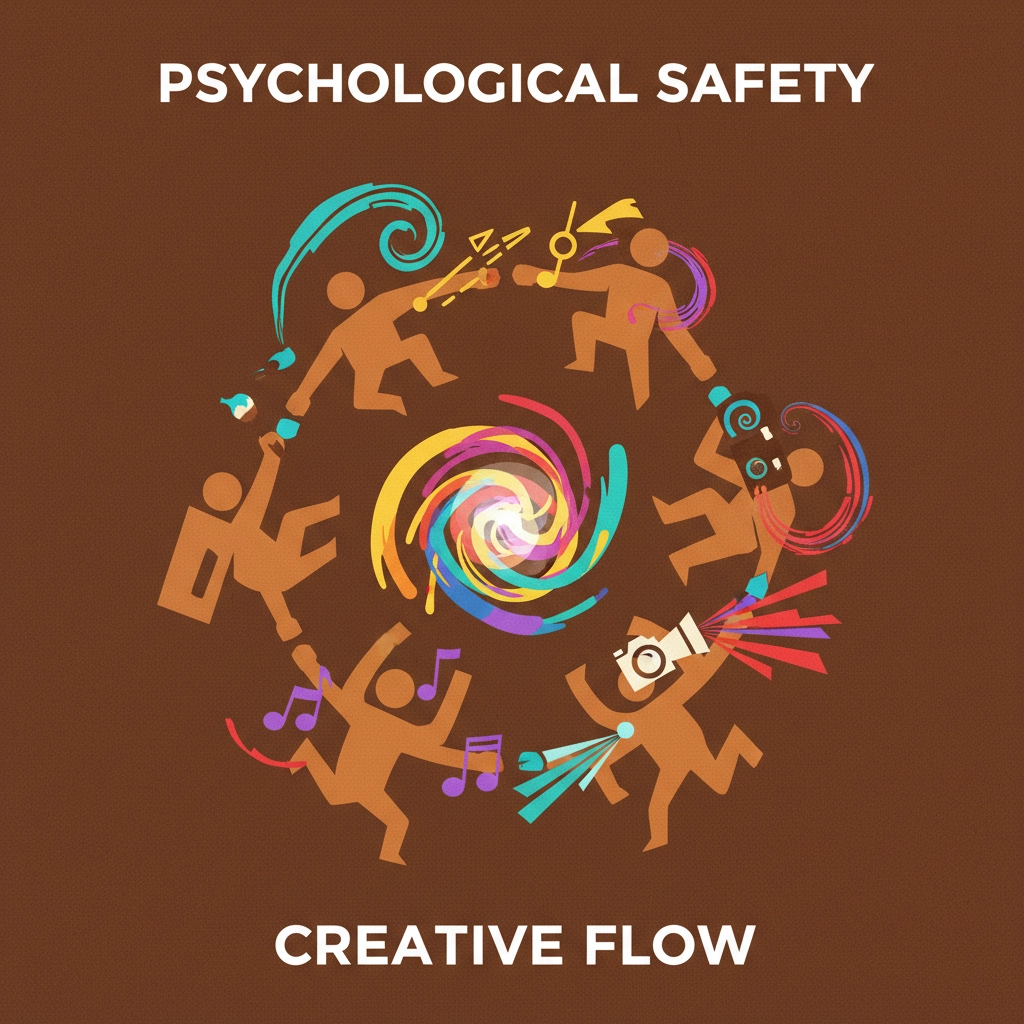
Psychological Safety = Creative Risk-Taking
Here's something interesting - while diversity of thought is crucial for innovation, cultural fit provides the foundation for psychological safety that encourages creative risk-taking. When people feel comfortable and supported by their team, they're way more likely to pitch that weird idea or push back on conventional thinking.
This is huge for creative work. The best campaigns, the most memorable brand experiences, the designs that win awards - they all come from taking creative risks. And you can't take risks when you're worried about fitting in.
The Onboarding Speed Factor
New creative hires who align with company culture adapt faster and assimilate naturally into existing teams. This isn't just nice-to-have - it's practical.
Creative projects have tight timelines. The faster someone can jump into the workflow, understand the team dynamics, and start contributing meaningful ideas, the better. When cultural fit is strong, that integration happens weeks or even months faster.
Where Cultural Fit Goes Wrong
Now, let's talk about the elephant in the room. Cultural fit can become a problem when it's taken too far.
Sometimes companies get so focused on finding "culture fits" that they end up hiring the same type of person over and over. Same background, same perspectives, same approaches to problem-solving. And that's when creative work gets boring and predictable.
The Innovation Killer
Overemphasis on cultural fit can stifle innovation by excluding individuals who challenge the status quo. Think about the most innovative creative work you've seen lately - chances are, it came from teams that had some healthy tension, some different viewpoints, some people willing to say "but what if we tried this instead?"
Companies with more diverse management teams have 19% higher revenue due to innovation, according to Boston Consulting Group. That's not coincidence - it's because diverse cognitive styles tackle complex problems differently than homogeneous teams.
Getting the Balance Right
So how do you hire for cultural fit without killing creativity? It's about being really clear on what "culture" actually means at your company.
Values vs. Personality
Your company values might include things like "collaborative," "client-focused," or "quality-driven." These are non-negotiable. But personality traits? That's where you want variety.
You want the quiet strategist and the energetic presenter. The detail-oriented designer and the big-picture thinker. The person who challenges ideas and the one who builds consensus. Different personalities, shared values.
Communication Style Compatibility
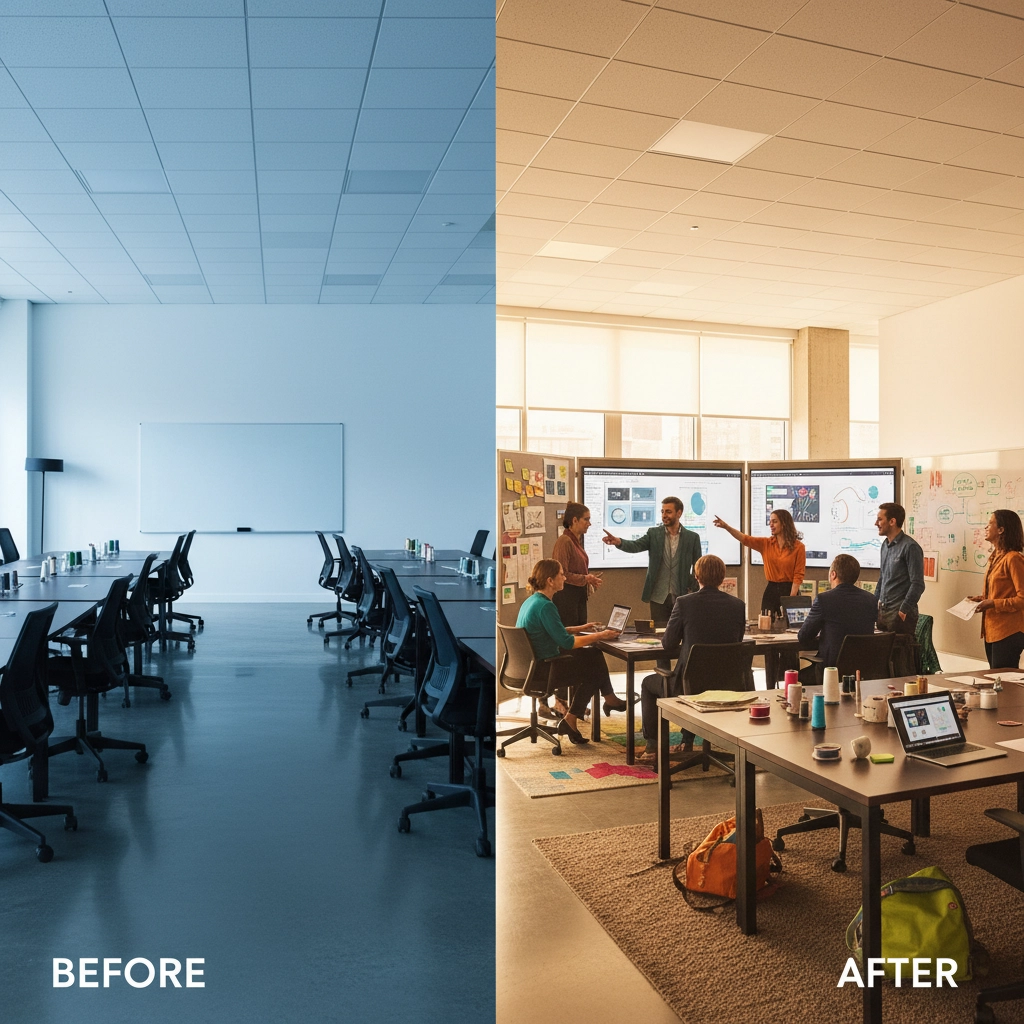
This is probably the most important factor for creative teams. People don't need to communicate exactly the same way, but they need to be able to work with each other's styles effectively.
Some teams thrive on direct, rapid-fire feedback. Others need more thoughtful, diplomatic communication. Neither is wrong, but mixing them without awareness can create friction.
What This Means for Your Hiring Process
If you're building creative teams, cultural fit assessment needs to be just as thorough as portfolio reviews. And it needs to happen early in the process, not as an afterthought.
Beyond the Standard Interview
Portfolio reviews and technical skills assessments are table stakes. But how do you actually assess cultural fit? Try collaborative exercises. Give candidates a real creative brief and have them work through it with your team. See how they handle feedback, how they contribute to ideation, how they communicate under pressure.
At Catchin' Talent, we've found that expert assessment of cultural fit is one of the biggest factors in long-term placement success. It's why we offer a 12-month guarantee - because when cultural fit is right, people stay and thrive.
The Team Input Factor
Don't let hiring managers make cultural fit decisions in isolation. The people who'll be working directly with the new hire should have input. They can spot red flags or green lights that might not be obvious in a formal interview setting.
Making It Work Long-Term
Cultural fit isn't just about hiring - it's about nurturing the culture you want to maintain.
Regular Culture Check-ins
Team dynamics evolve. Projects change. People grow. What worked culturally six months ago might not work now. Regular team check-ins about working styles, communication preferences, and collaboration patterns help you stay ahead of potential issues.
Celebrate Different Strengths
Make it clear that different approaches to creative work are valued. The person who needs quiet thinking time isn't less collaborative than the person who thinks out loud. The detail-oriented perfectionist isn't less creative than the big-idea generator.
The Bottom Line
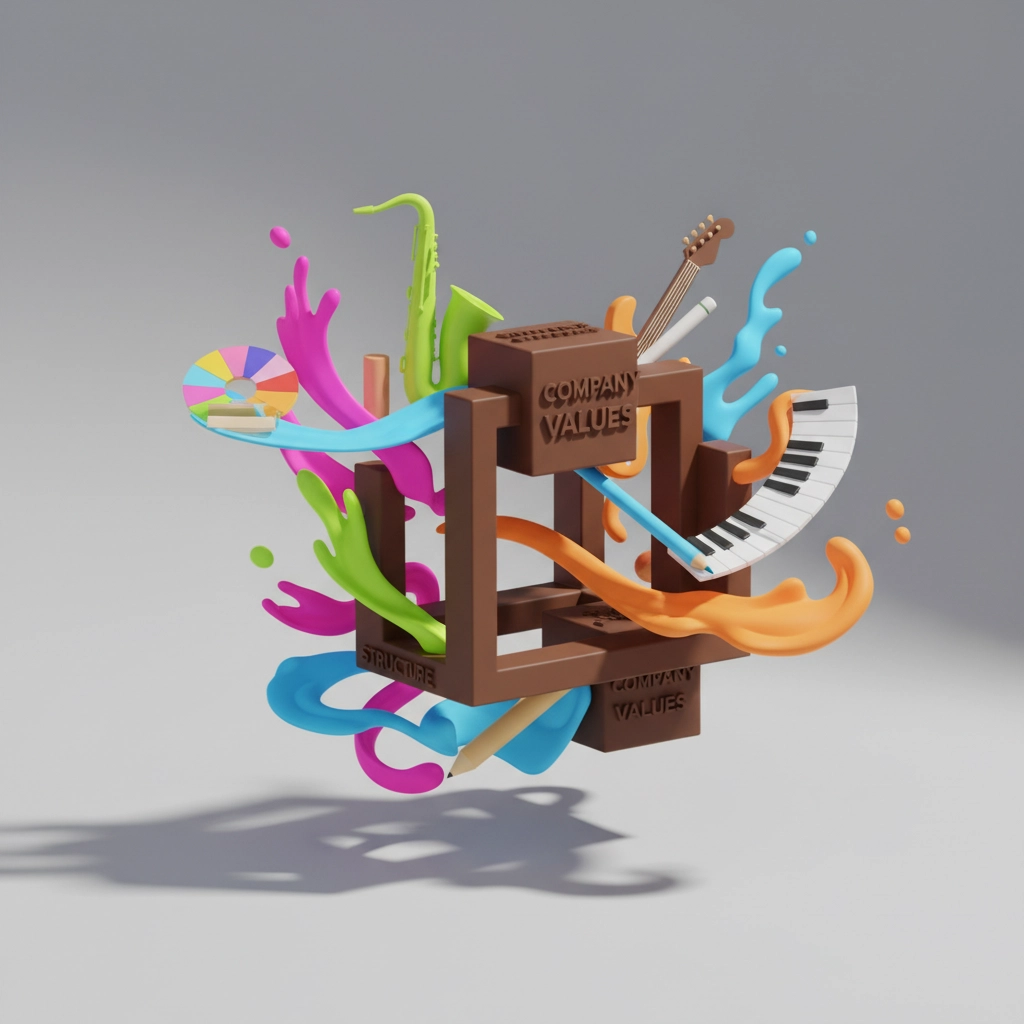
Cultural fit in creative teams isn't about creating an echo chamber of similar people. It's about building a foundation of shared values and compatible working styles that lets diverse perspectives flourish.
When you get this balance right, creative teams become unstoppable. They collaborate effortlessly, take bigger creative risks, and produce work that stands out in crowded markets. They also stick around longer, which means less disruption and more consistent creative output.
The key is being intentional about it. Don't just hope cultural fit happens - assess for it, hire for it, and nurture it. Your creative work (and your team's happiness) will be better for it.
Whether you're hiring your first creative team member or building out an entire department, remember that the best creative work happens when talented people can focus on being creative rather than navigating team drama. Cultural fit makes that possible.
Ready to build a creative team that actually works together seamlessly? Check out our creative recruitment services - we specialize in finding that sweet spot between cultural fit and creative diversity.
Comments